
Education · Research · Engineering Laboratories
EMC, EMI, RF and electronic test & measurement equipment for universities, TAFEs and research institutions. From teaching benches to advanced research facilities, C-PRAV Tech helps plan, source and integrate practical laboratory solutions.
One engineering solutions partner
Bring instruments, accessories, software and system configuration together around your teaching and research objectives.
Built around your curriculum and research
Students and researchers need access to professional measurement tools to understand how electronic systems behave, investigate electromagnetic interference and validate circuit performance. C-PRAV Tech helps institutions select equipment and configure laboratory setups to suit course outcomes, research priorities, available infrastructure and budget.
Flexible bench equipment for undergraduate practical classes, demonstrations and repeatable experiments.
Advanced instrumentation and configurable test systems for postgraduate projects and applied research.
Review existing equipment, identify capability gaps and plan staged upgrades or new test benches.
Equipment categories
Choose a specialist area below. Each laboratory can be configured from individual instruments through to integrated teaching or research systems.
EMC / EMI
Introduce electromagnetic compatibility concepts and practical emissions investigations.
RF / Microwave
Support RF circuit development, wireless communications and microwave research.
Electronics
Equip students to design, measure and troubleshoot electronic circuits and PCB assemblies.
Immunity
Demonstrate how electronic products respond to electrical and electromagnetic disturbances.
Power electronics
Support research into converters, switching devices, batteries and power systems.
Safety / Environment
Support product safety, environmental performance and reliability education.
Equipment selection depends on the intended experiment, measurement range, applicable standards, safety requirements and laboratory environment.
Test & measurement equipment catalogue
C-PRAV Tech supports universities, TAFE institutes, research centres and engineering faculties across Australia with test and measurement equipment for electronics, electrical engineering, RF and microwave, power electronics, communications, EMC and product development. Explore the instrument categories below to understand their purpose, key selection considerations and typical laboratory applications.
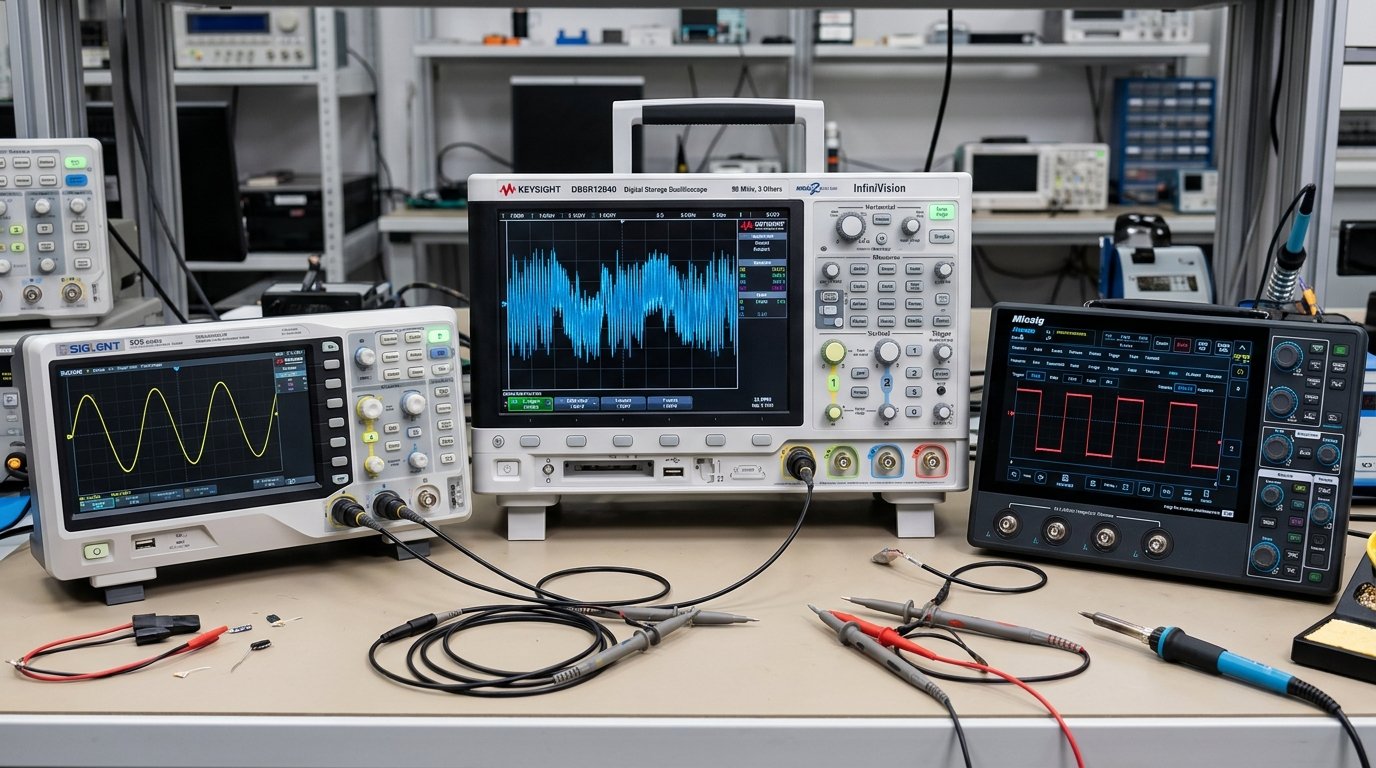
Digital oscilloscopes display voltage signals over time and help students and researchers investigate circuit behaviour, timing, noise, switching events and signal integrity. Depending on the application, laboratories may require general-purpose, mixed-signal, high-resolution or high-bandwidth oscilloscopes.
Typical university applications: Electronics teaching, embedded systems, power electronics, PCB debugging and high-speed digital design.
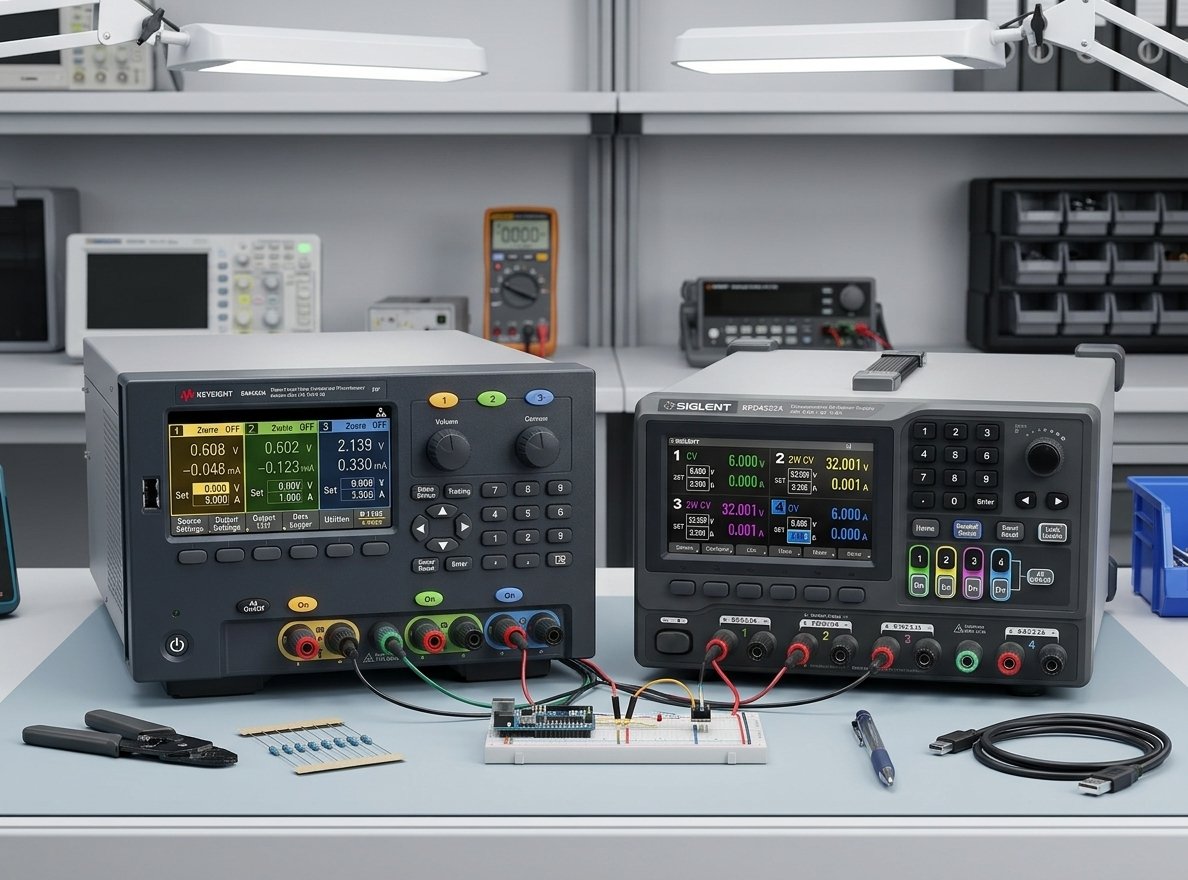
Programmable bench and system DC power supplies provide controlled voltage and current for powering prototypes, electronic assemblies and research setups. Multi-channel, low-noise, high-power and regenerative options can be considered to suit different experiments.
Typical university applications: Electronics laboratories, battery research, device characterisation, product development and automated test systems.
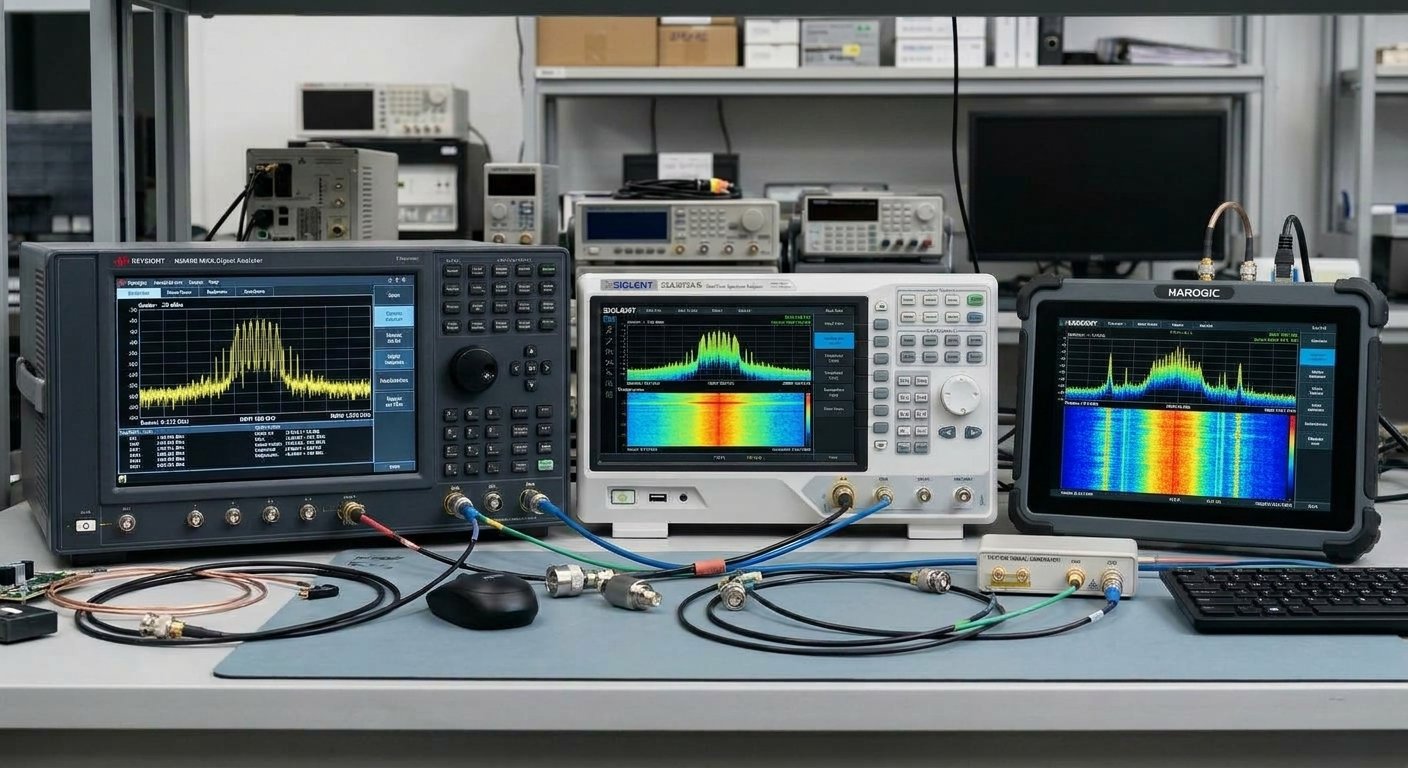
Spectrum analysers measure signal amplitude across frequency and are widely used for RF teaching, interference investigations and pre-compliance work. EMI receivers provide measurement functions designed for conducted and radiated emissions testing, including detector and bandwidth options relevant to EMC methods.
Typical university applications: RF communications, EMC education, wireless research, conducted emissions demonstrations and radiated emissions pre-scans.
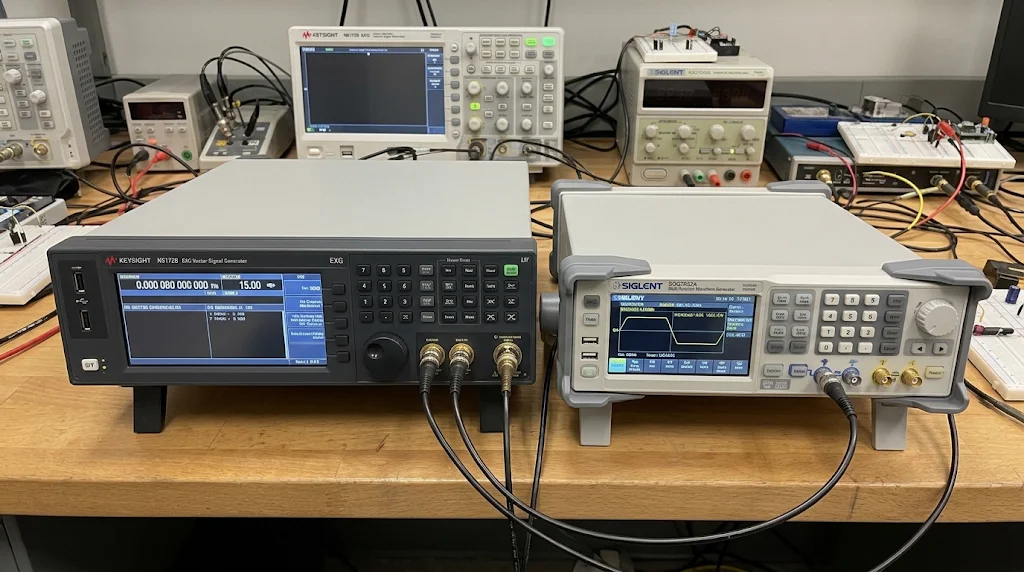
Function generators and arbitrary waveform generators create sine, square, pulse, ramp, modulation and user-defined signals. They provide repeatable stimulus signals for analogue, digital, control and communications experiments.
Typical university applications: Analogue electronics, control systems, communications, sensor testing and power-conversion research.
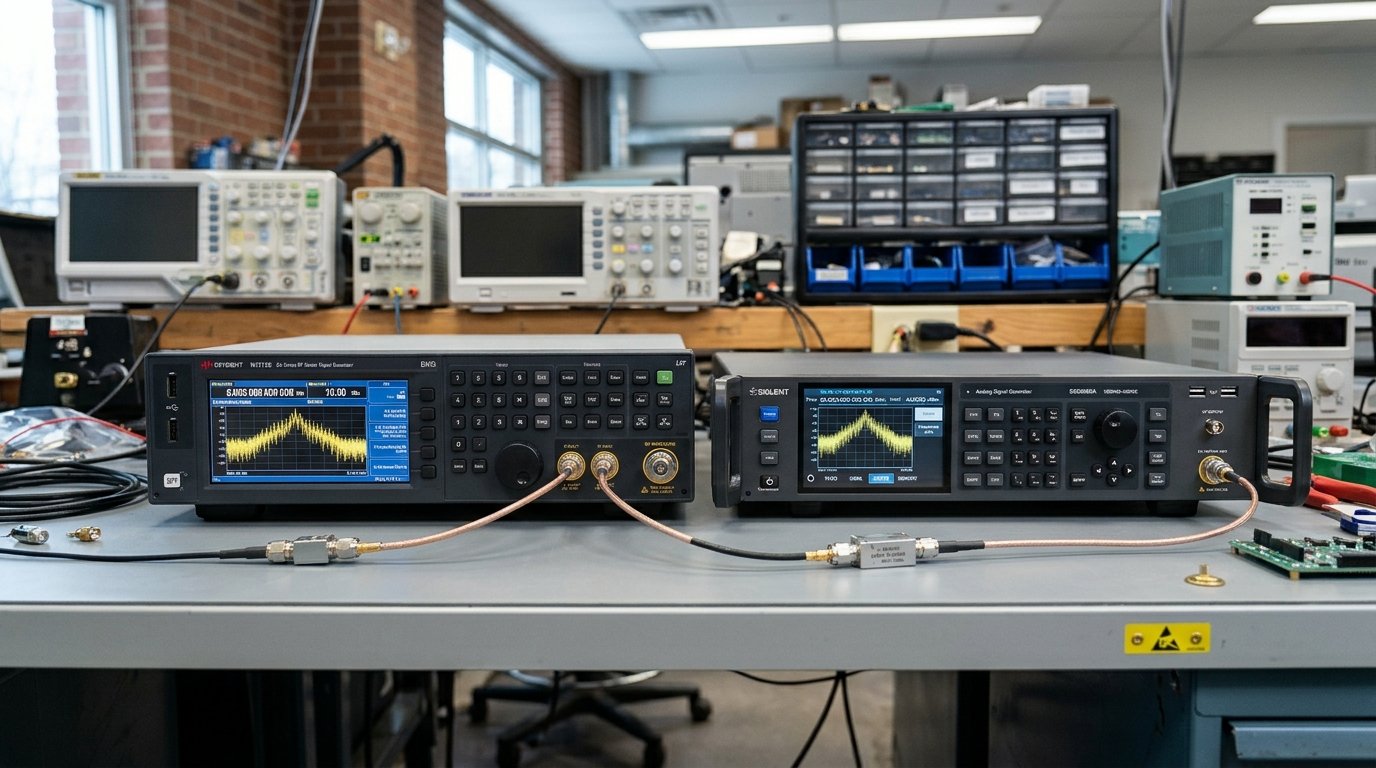
RF signal generators produce stable continuous-wave and modulated RF signals for receiver testing, wireless experiments, component characterisation and microwave research. Vector signal generators add complex modulation capabilities for modern communications work.
Typical university applications: Wireless communications, antenna testing, RF circuit design, receiver sensitivity and microwave laboratories.
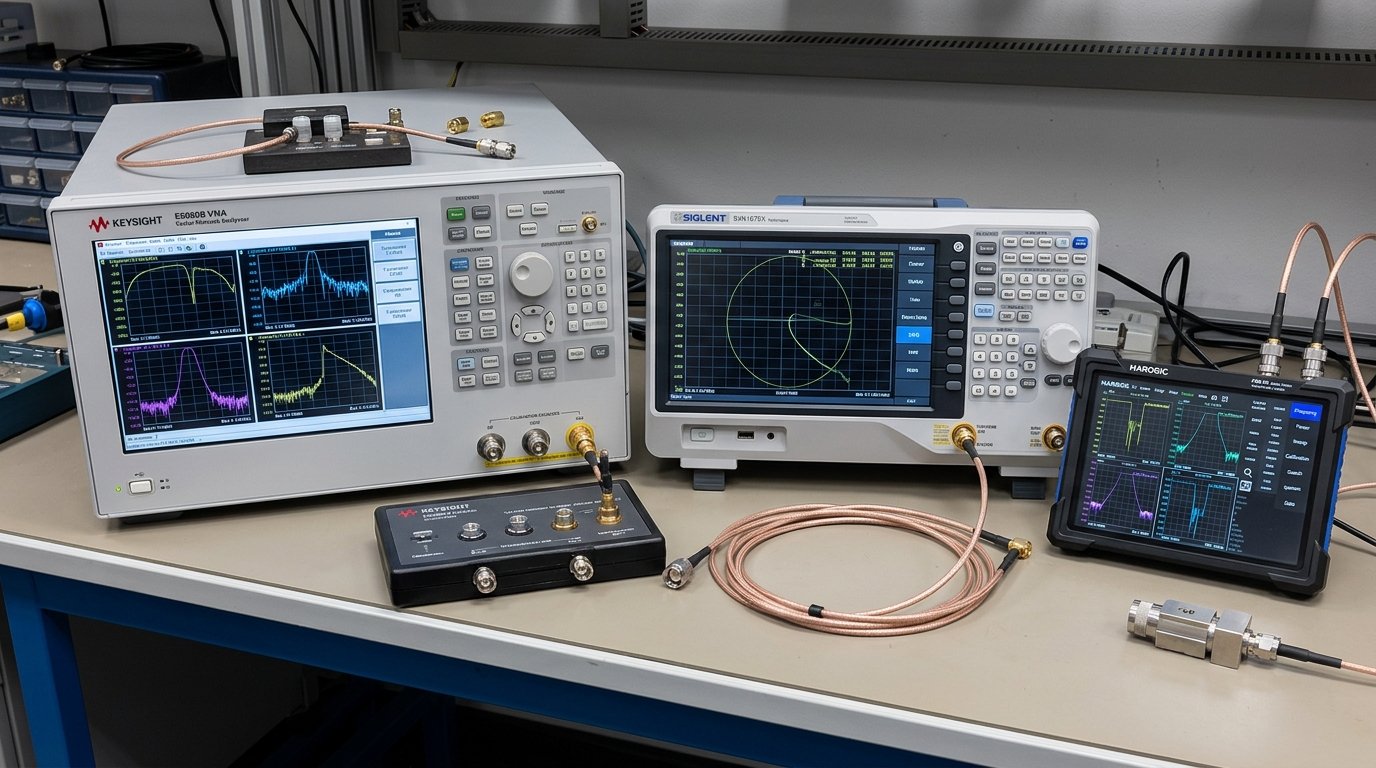
Vector network analysers measure reflection and transmission characteristics of RF and microwave components. They help learners and researchers understand S-parameters, impedance matching, filters, cables, antennas and passive networks.
Typical university applications: RF engineering, antenna development, microwave circuits, filters, connectors and materials research.
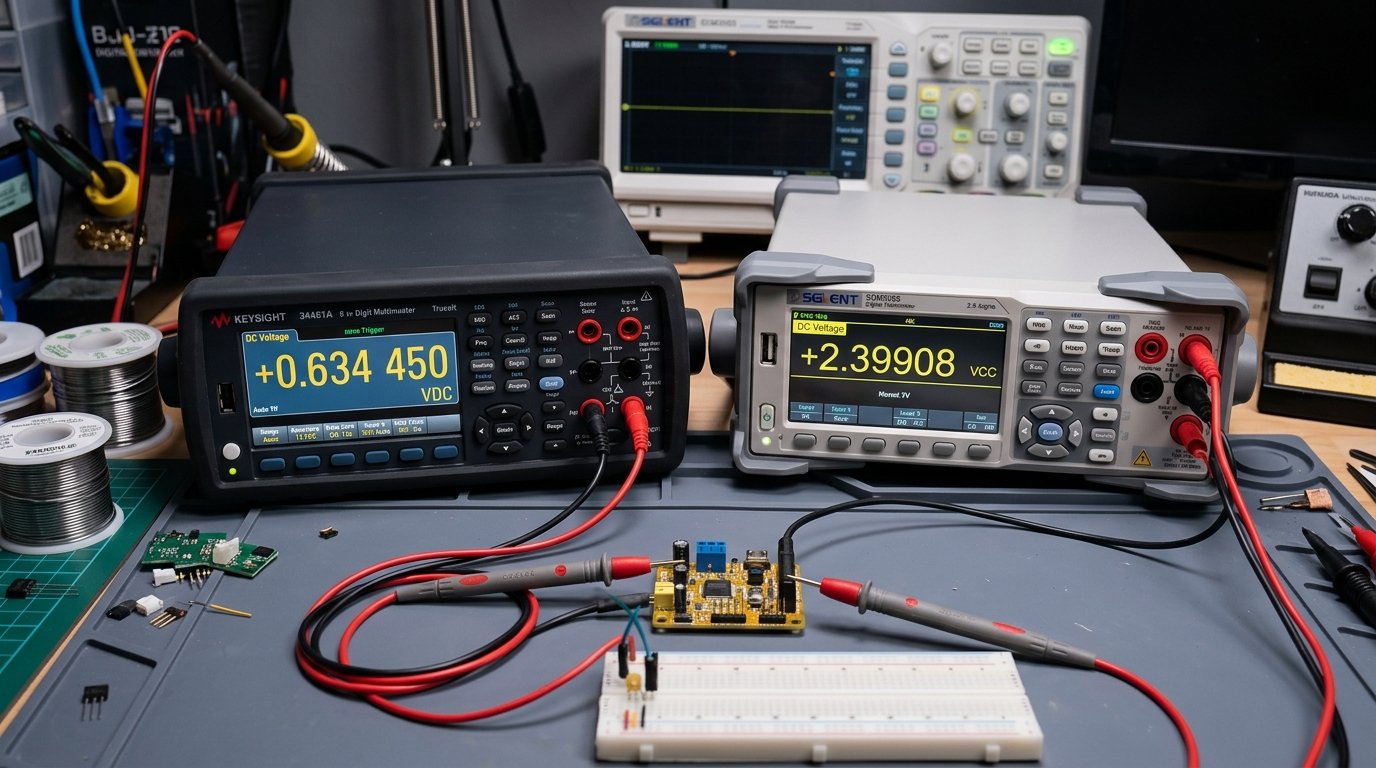
Digital multimeters measure voltage, current and resistance, while precision instruments can extend into low-level, high-resolution and automated measurements. Bench instruments support repeatable laboratory measurements and data capture.
Typical university applications: Electrical and electronic engineering, component testing, calibration teaching and laboratory measurement.
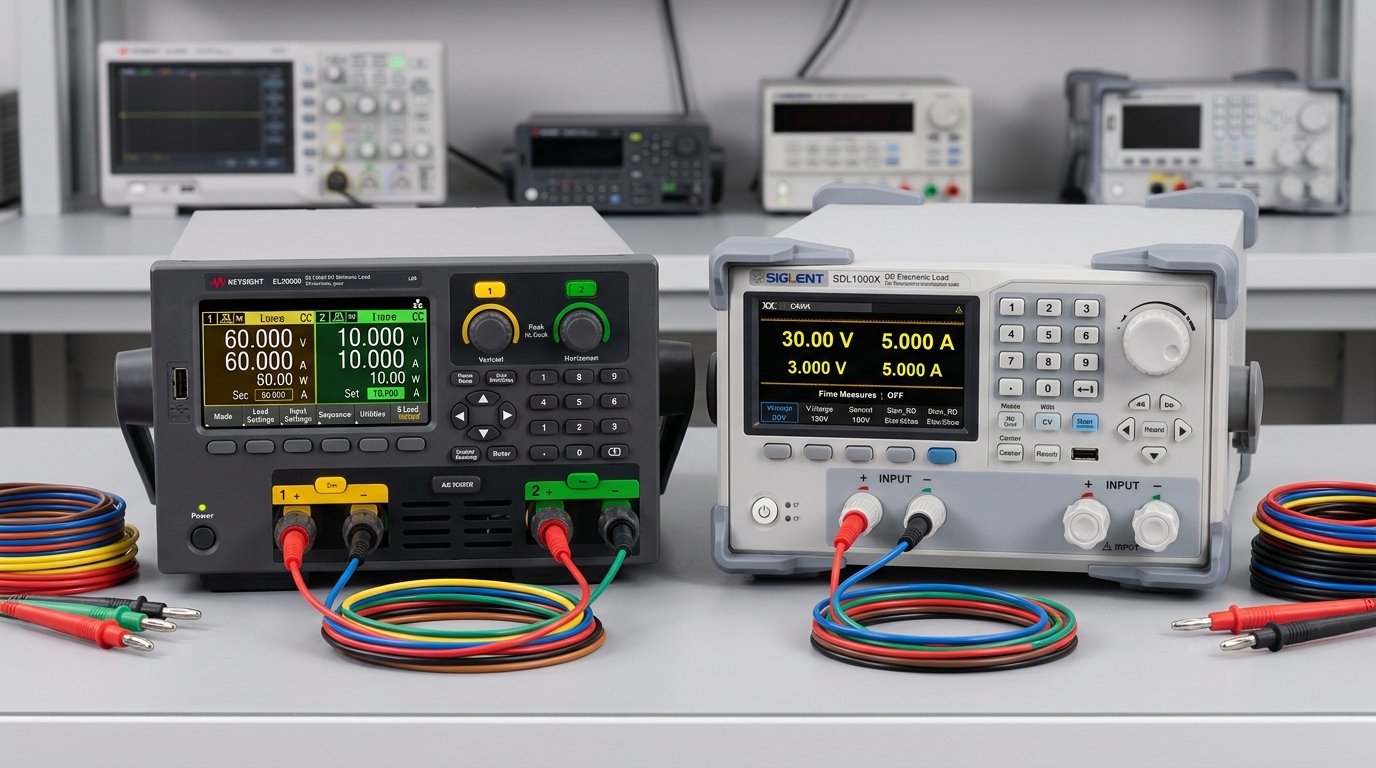
Programmable electronic loads draw controlled current or power from a source to evaluate power supplies, batteries, converters and energy-storage devices. Battery cyclers and analysers can support charge/discharge, capacity and performance studies.
Typical university applications: Battery research, energy storage, DC power systems, charger development and power electronics.
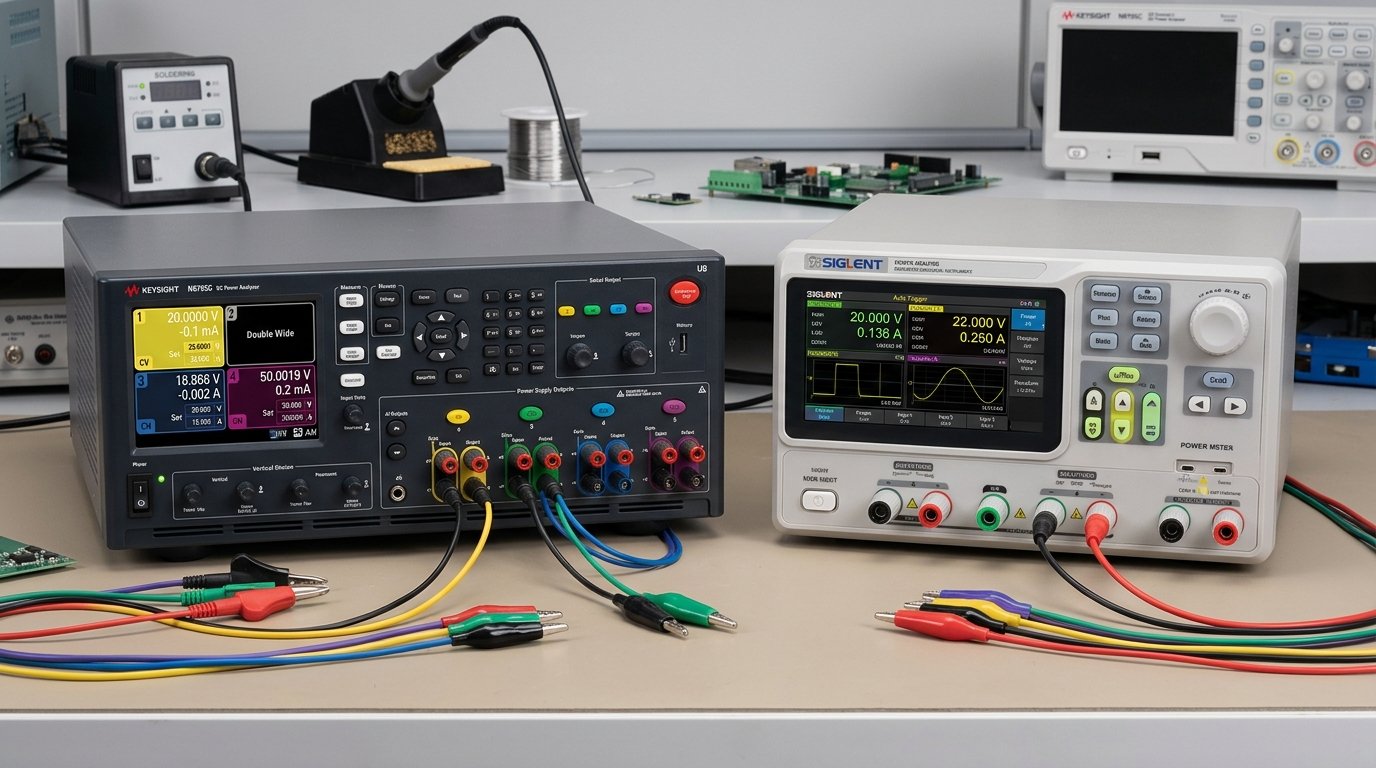
Power analysers measure electrical power and related parameters in single-phase and three-phase systems. They support efficiency measurements, converter analysis, motor-drive studies and investigations of harmonics and power quality.
Typical university applications: Renewable energy, inverters, motor drives, electrical machines, power conversion and smart-grid research.
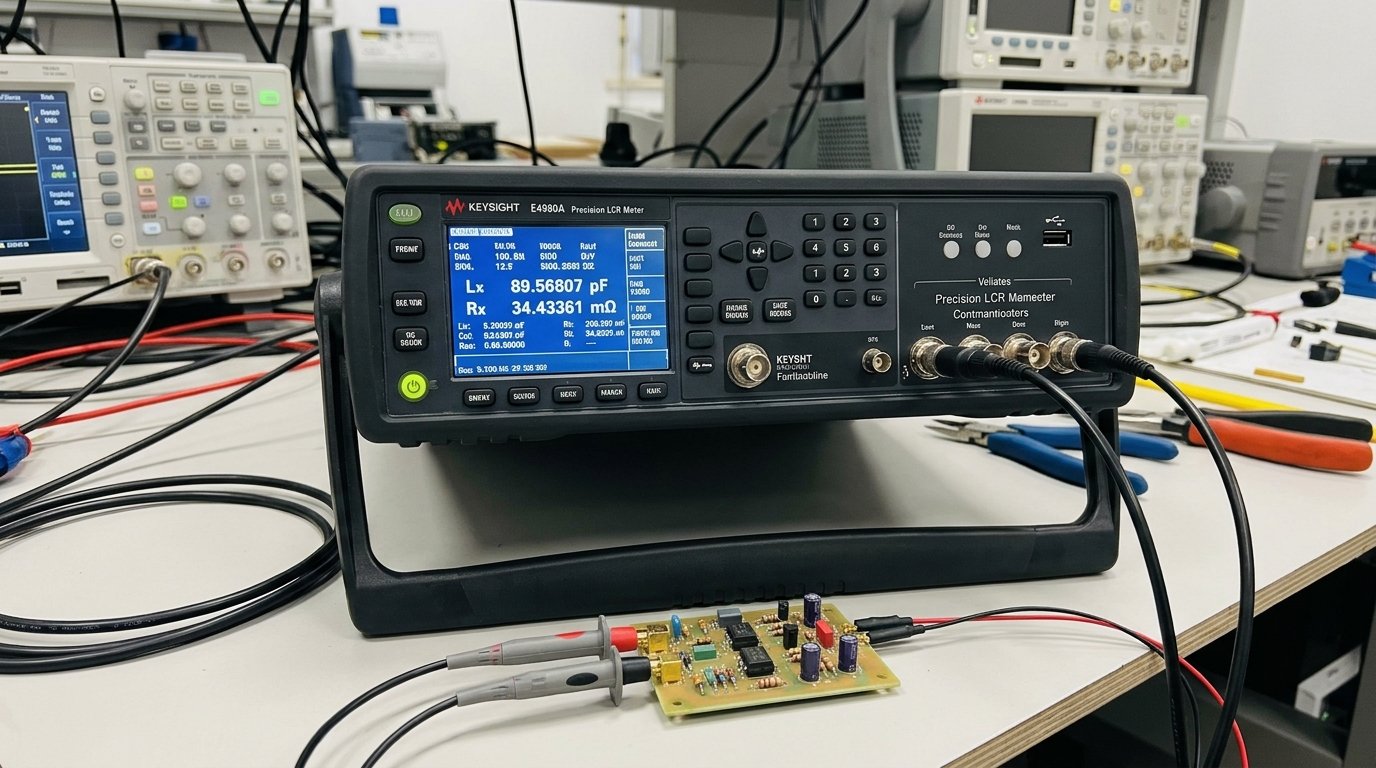
LCR meters and impedance analysers characterise inductance, capacitance, resistance and frequency-dependent component behaviour. They help assess passive components, resonant circuits, materials and impedance profiles.
Typical university applications: Electronic components, materials research, power electronics, filters and analogue circuit design.
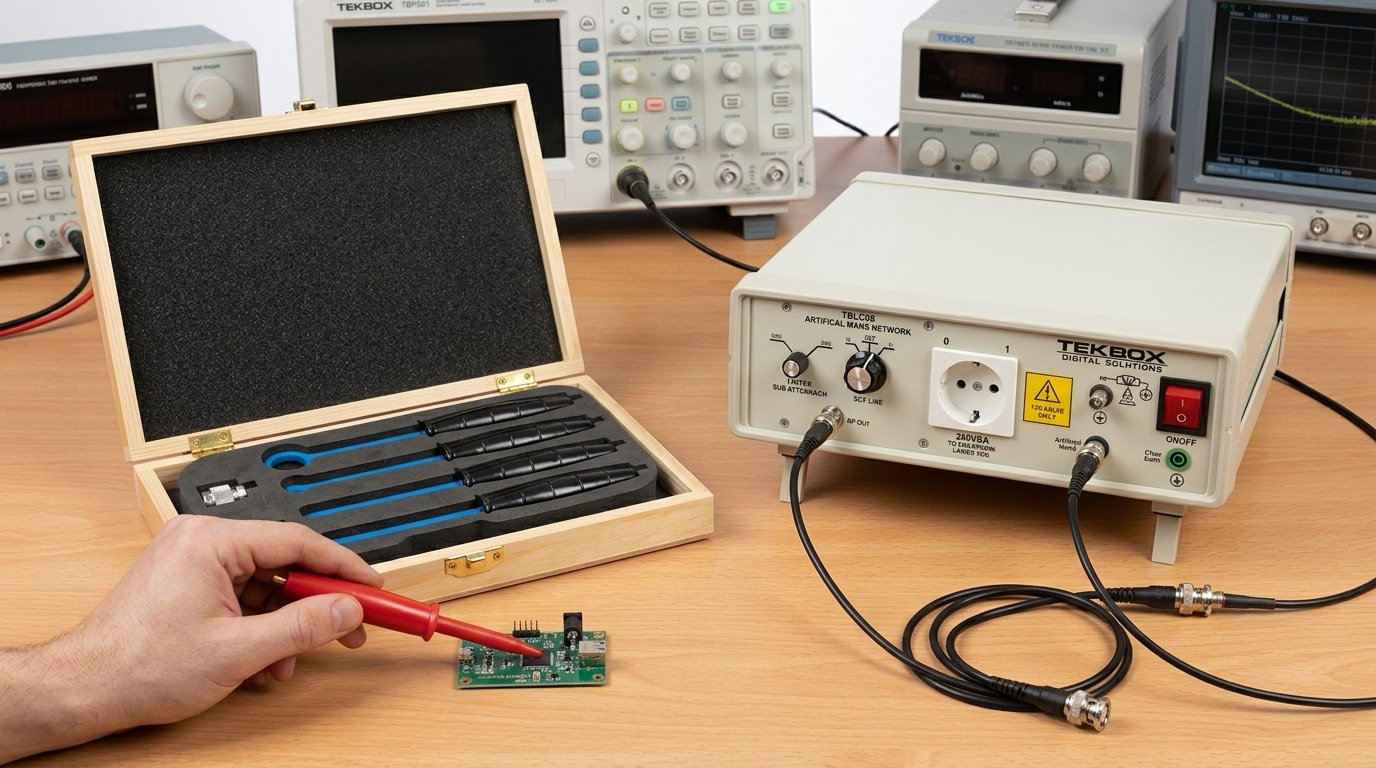
EMC measurement accessories help identify and quantify electromagnetic noise. LISNs or AMNs provide a defined measurement interface for conducted emissions, while near-field probes, current probes, antennas, attenuators and preamplifiers support troubleshooting and emissions measurements.
Typical university applications: PCB EMI debugging, conducted emissions, radiated emissions pre-scans, teaching demonstrations and EMC laboratory development.
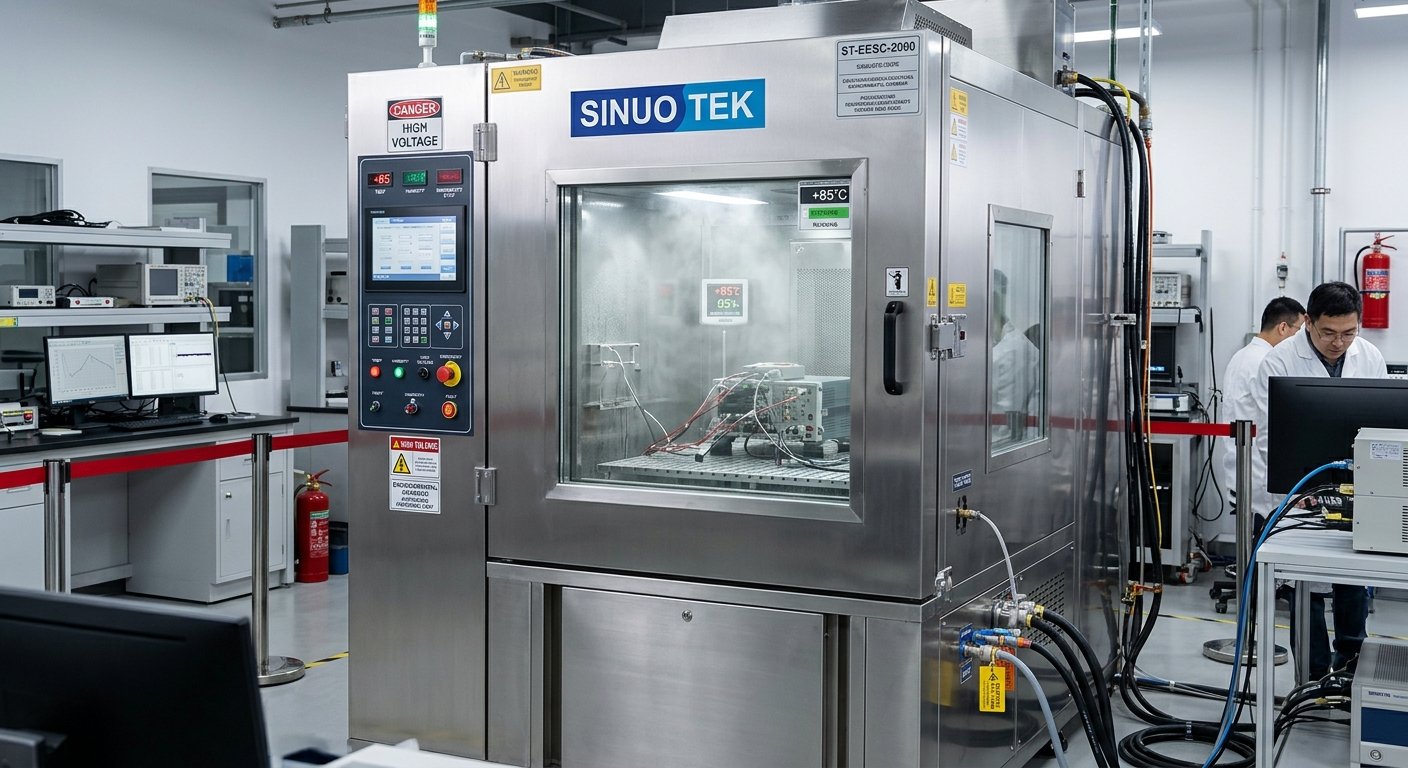
Electrical safety instruments support checks such as dielectric withstand, insulation resistance, earth/ground bond and leakage current. Environmental test chambers expose products and materials to controlled temperature and humidity conditions.
Typical university applications: Product safety education, reliability engineering, materials testing, design validation and compliance preparation.
Need a complete laboratory rather than individual instruments? C-PRAV Tech can discuss instrument selection, multi-brand system integration, test benches, 19-inch rack systems, accessories, software, installation, commissioning, training and application support. Equipment selection is based on learning outcomes, research requirements, measurement ranges, relevant standards, safety and available infrastructure.
EMC learning & research
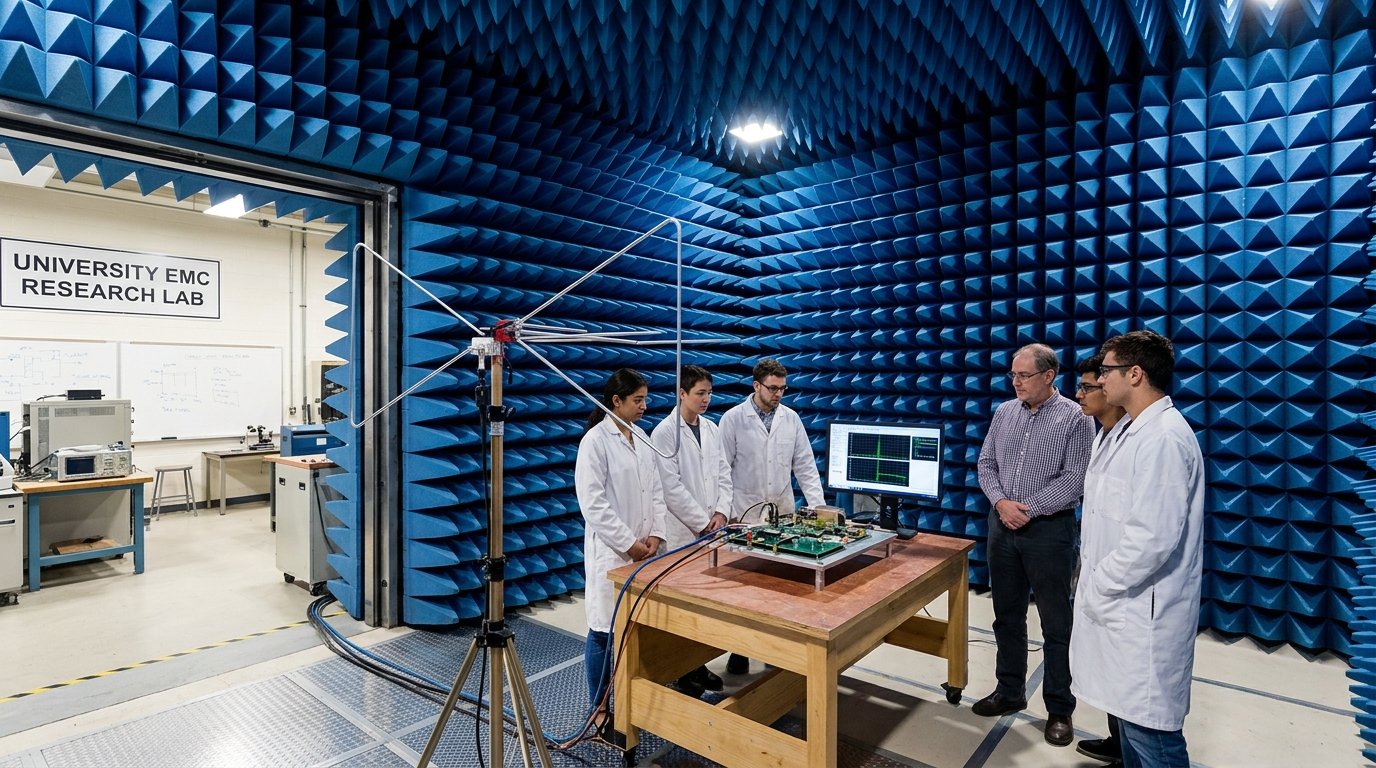
An EMC teaching or research laboratory can help students understand conducted and radiated emissions, immunity, coupling paths and practical troubleshooting methods.
Depending on the learning objectives, a setup may begin with a spectrum analyser, LISN and near-field probes, then expand to antennas, pre-amplifiers, immunity equipment and a controlled test environment.
Laboratory planning & integration
Whether you are establishing a new facility or upgrading an existing laboratory, C-PRAV Tech can help coordinate the equipment and engineering requirements.
We work with your academics, technical staff and procurement team to understand the application before recommending an appropriate configuration.
01
Discuss teaching outcomes, research needs, standards, capacity and budget.
02
Define instruments, accessories, software, infrastructure and interfaces.
03
Source suitable products from our international technology partners.
04
Coordinate installation, configuration and commissioning requirements.
05
Arrange equipment familiarisation and application guidance for users.
06
Plan modular upgrades as research and teaching requirements evolve.
Technology ecosystem
C-PRAV Tech works with international manufacturers across EMC, RF, electronics and specialised laboratory test equipment. We can help combine products from different technology partners into a solution matched to your application.
Who we support
Our solutions are relevant to a wide range of education and research environments, including:
Electrical, electronics, mechatronics, telecommunications and engineering faculties.
Practical teaching laboratories, vocational engineering programs and skills development.
Applied research, postgraduate projects, product development and specialised measurement.
We can discuss requirements for institutions in Melbourne, Sydney, Brisbane, Adelaide, Perth and other locations across Australia, with support arrangements agreed for each project.
Common questions
Yes. C-PRAV Tech supports Australian education and research customers with equipment enquiries, quotations and engineering solution discussions.
We can assist with requirements assessment, equipment selection, system configuration and integration planning for EMC teaching and research environments.
A typical introductory setup may include a spectrum analyser, LISN and near-field probes. More advanced facilities may add EMI receivers, antennas, pre-amplifiers, immunity systems and dedicated test infrastructure.
Yes. Multi-brand configurations can be considered, subject to technical compatibility, interfaces, software support and the intended measurement method.
Training and application support can be discussed as part of the project scope, based on the equipment and learning objectives.
Yes. We can discuss existing equipment, identify capability gaps and recommend suitable additions or staged upgrades.
Start a conversation
Talk to C-PRAV Tech about your teaching, research and test equipment requirements. We can help scope the right equipment and engineering solution.